Comparing Cloud vs On-Premises Security Solutions for African SMEs
A small business owner in Accra faces choices that look technical but hit much closer…
A small business owner in Accra faces choices that look technical but hit much closer to home. She weighs the promise of cloud storage—flexible, scalable—against the comfort of keeping her data on servers she can see and control. But internet outages strike without warning, her budget stretches thin, and her lone IT staffer handles everything from jammed printers to urgent security alerts. As she scans cloud proposals and reads fresh warnings about ransomware, the decision between cloud, on-premises, or a mix isn't just about technology. For her, it could decide whether the company grows or gets left behind in the African market.
Threats and Security Basics for African Businesses
Across Africa, business owners deal with digital threats that hit small grocery stores and new tech startups alike. The INTERPOL Africa Cybersecurity Report highlights ransomware and account takeovers as constant dangers for small and midsize businesses. The reason is simple: cybercriminals target those who usually lack strong defenses or a dedicated IT team.
Attackers don’t care whether a company uses cloud or local servers. Microsoft points out that breaches often begin with basic mistakes—like a weak password or an unprotected laptop. If a company slips on these essentials, it hardly matters where the data sits. That’s why core controls—identity protection, device security, and a solid recovery plan—are non-negotiable for any setup.
If a business skips strong authentication or regular backups, it’s exposed no matter the platform. The African context adds new wrinkles: network instability and limited infrastructure make companies even more vulnerable. That’s why investing in security basics can’t wait for the “right time” or be traded for big promises from vendors.
INTERPOL also stresses a key point: the ability to respond quickly and recover after an incident often separates survivors from those forced to close. For anyone who’s watched a competitor get hacked, it’s clear there are no shortcuts. Doing the basics right is mandatory, whether the app runs in the cloud or on a physical server bought in installments.
Making Security Choices with the NIST Cybersecurity Framework
Technical jargon and sales pitches can leave small businesses confused about what to prioritize. The NIST Cybersecurity Framework 2.0 lays out a simple, universal path built around six functions: Govern, Identify, Protect, Detect, Respond, and Recover. Its strength is accessibility—it doesn’t require deep security knowledge or tie you to a particular vendor.
The “Govern” function in this framework is about setting rules and priorities: Who calls the shots? Which data matters most? This clarity helps whether you manage servers in the back room or rely on cloud apps. Next, “Identify” means mapping your assets—knowing exactly which systems and data you have to protect.
In the “Protect” phase, companies put up practical defenses: limiting access, encrypting data, keeping systems updated, and training staff. “Detect” is about watching for attacks or suspicious activity early. “Respond” is the action plan—knowing who does what during a breach. “Recover” is about getting back to business, whether restoring from backup or updating clients about what happened.
The real power of the NIST framework is that it helps you compare security options side by side. For example, if a cloud service does automatic backups, that covers part of “Recover”—but you still need to know how to restore data yourself. With this checklist, managers can see where cloud, local, or hybrid setups deliver real value and where gaps might need extra attention from the team.
Shared Responsibility: Comparing Cloud and On-Premises Security
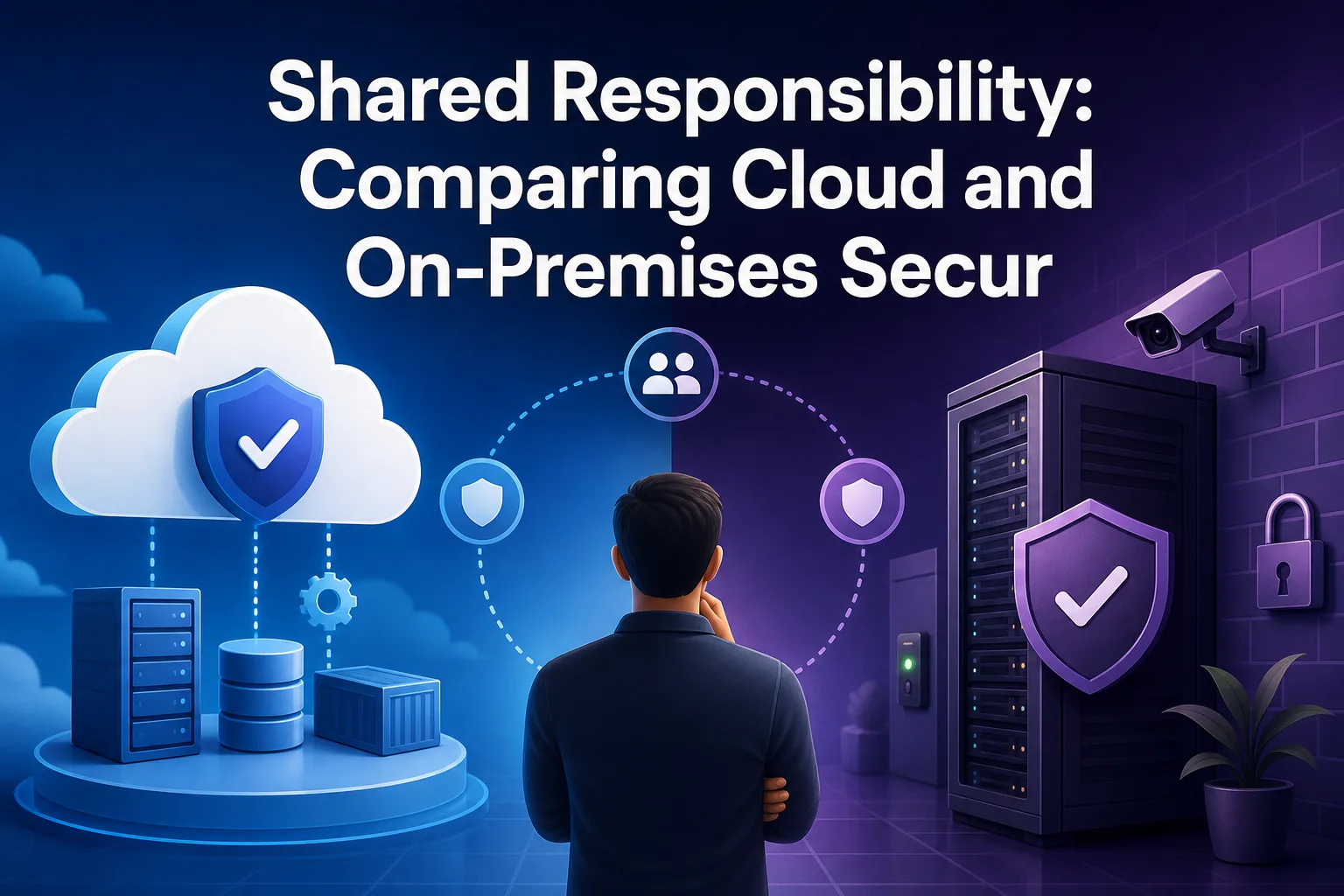
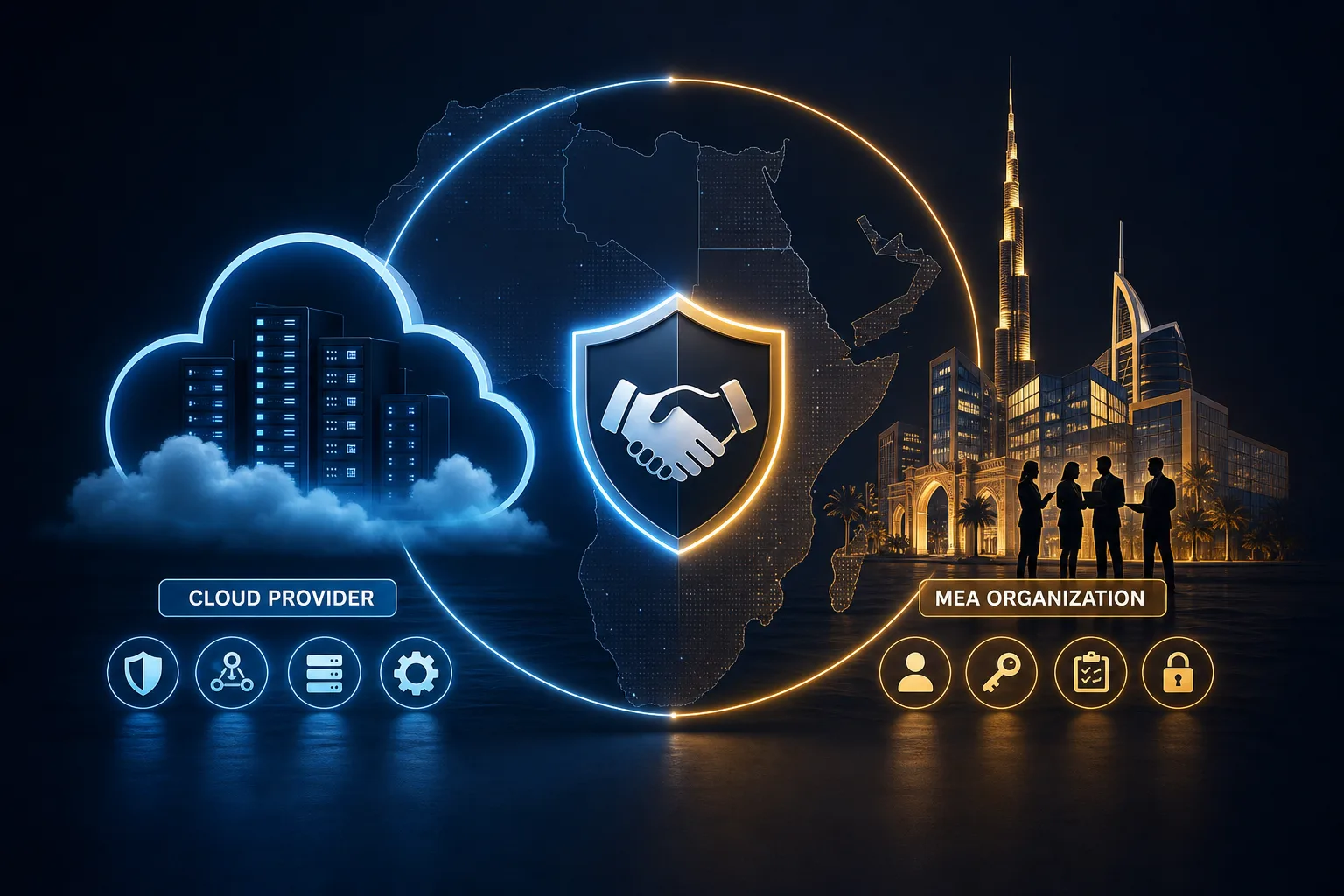
A common myth is that moving to the cloud shifts all security to the provider. The Cloud Security Alliance explains it’s really a shared responsibility. In the cloud, the provider takes care of physical security, infrastructure patches, and service uptime. This does lighten the load—you don’t have to swap out hardware or babysit servers.
But setting up users, managing permissions, and deciding who gets access still falls to the business. If someone reuses passwords or configures apps carelessly, the risk remains. The provider can’t stop an internal policy mistake. Cloud platforms offer convenience, but they don’t remove the need for strong oversight within the company.
On-premises setups put all the control—and the pressure—in your hands. You handle security updates, physical access, and every customization. The good side is the sense of ownership and flexibility. The downside: if your IT person is out, important patches might wait, leaving the business exposed. In small companies with tiny tech teams, this can become a real bottleneck, and security may slip down the priority list.
Hybrid approaches are commonly relevant because SMEs often combine cloud services with internal systems rather than choosing only one model. Critical data might stay on-site, while less sensitive services move to the cloud. This mix lets businesses balance convenience, cost, and security. The key is knowing exactly where the provider’s responsibility ends and where yours begins—regardless of the setup.
Mapping Assets and Evaluating Readiness: A Practical Checklist
Before picking cloud, on-premises, or hybrid, African businesses need a clear-eyed assessment. Start by listing every asset: computers, servers, sales systems, databases, and essential files. Seeing what actually powers your business helps you focus your investments.
Next, classify your data. Sensitive information—like customer bank details or exclusive contracts—needs extra protection and stricter access. Marketing materials or standard admin files can be handled with less red tape, making cloud tools a safer bet for those.
Availability is another make-or-break issue. If your cash register relies on an online system, a shaky internet connection can stop business cold. So, check how reliable your local network really is. Frequent outages may mean keeping key systems on-site is safer. Companies that can operate a few hours offline or have solid backup plans can push further into the cloud.
The last checklist step is evaluating your own team. Can IT staff keep systems updated, respond to alerts, and restore backups when needed? If not, it may be wiser to outsource some operations to a provider. The goal is to balance workload—sometimes, what looks simple in theory can overwhelm a small team, while outsourcing everything can create new costs and dependencies. By the end, the decision isn’t just theory—it’s tailored to your real strengths, resources, and limits.
Security Essentials Every SME Needs
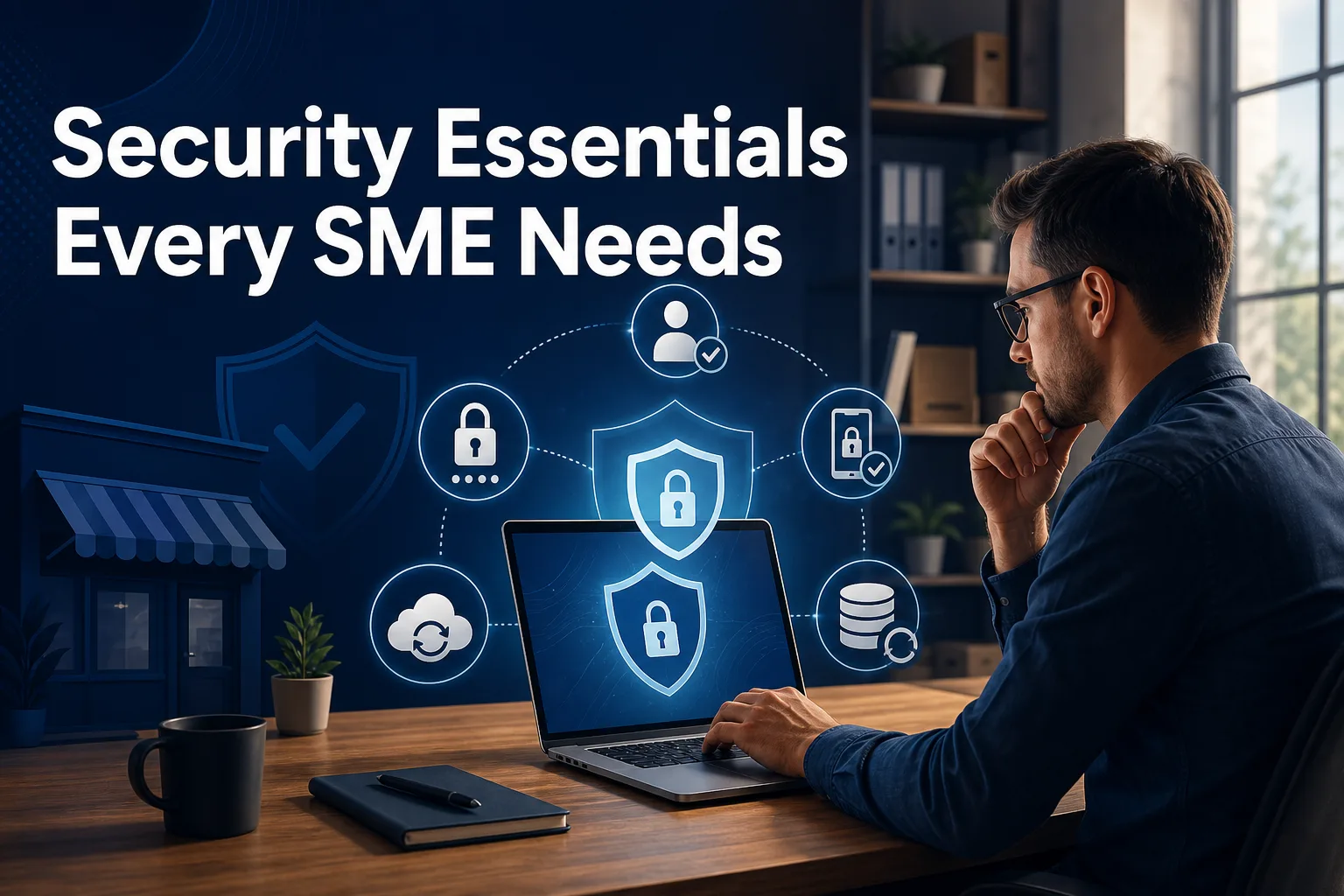
No matter which path you choose, some basics never change. Controls such as identity protection, access management, regular backups, and clear recovery plans remain essential for any business setup. A common mistake is assuming cloud providers handle everything, but password control, two-factor authentication, and access reviews remain the company’s job.
It’s also important to monitor access logs, whether your systems are on-site or in the cloud. Tracking who accesses what and watching for unusual patterns helps spot attacks early and limit damage. Backups are only useful if you actually test them—relying on automation alone can give a false sense of security if nobody checks the restore process.
Recovery planning should fit your business speed and needs. Just having backups isn’t enough—you need to know exactly how to bring systems back up, and who takes each step when something goes wrong. For African businesses, waiting days to recover isn’t an option. Plans should be detailed, rehearsed, and everyone involved should know their role.
Even with the best vendor, final security depends on your company’s decisions and habits. When businesses treat these essentials as a regular routine instead of a one-off, they’re better prepared for any digital or operational crisis.
Balancing Security, Budget, and Growth
African SMEs face a constant balancing act: boosting security without emptying the bank, growing without opening up new risks, and shifting strategy as things change. There’s no single answer to the cloud vs. local vs. hybrid question. Each choice impacts your budget, daily work, and ability to scale.
Cloud-based setups can offer operational flexibility, which may help if you want to expand fast or don’t have a big in-house IT team. But if your internet is unreliable or you’re worried about local data laws, keeping some operations in-house could be safer. Many companies discover that a hybrid approach is most practical—protecting sensitive data locally, while moving email and collaboration tools to the cloud.
The real trick is ignoring hype and focusing on your actual risks and needs. Map your assets, weigh your risks, and be clear about what belongs to the provider and what stays on your plate. Ultimately, the best answer to cloud vs on-premises security african smes is the one that fits your business’s reality and can flex as you grow.
If you run an African SME, take time to check the NIST CSF 2.0 checklist, clarify responsibility lines with your vendors, and practice your recovery plans for real. These steps turn tech decisions into real business results and help you stay secure without slowing down your company’s progress.