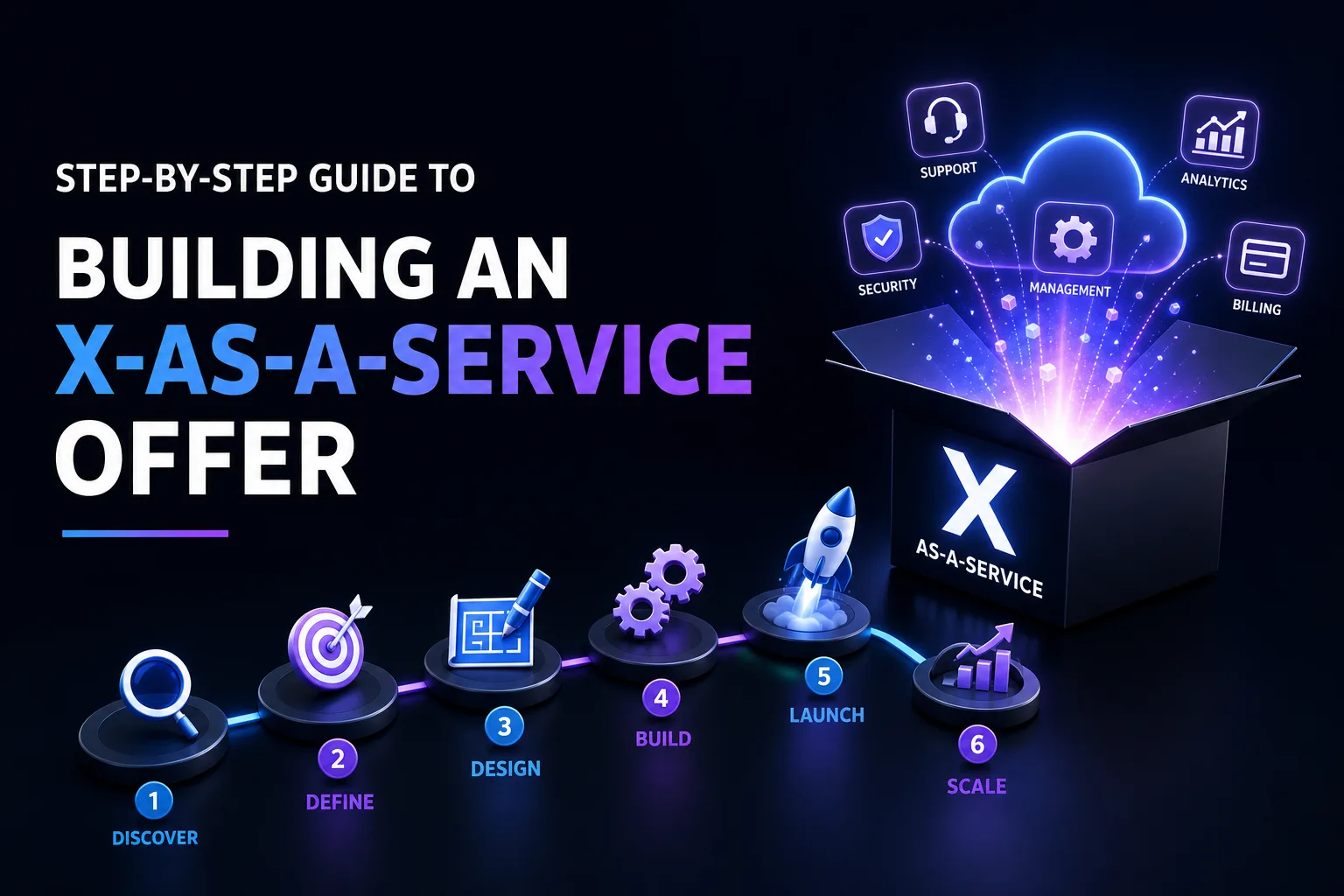
Step-by-Step Guide to Building an X-as-a-Service Offer
Learn how to build x as a service offer—validate, launch, and grow your SaaS subscription with actionable steps for MVP, marketplace integration, and ongoing improvement.
You spend months deep in code, adding features, fixing bugs, and chasing the feeling that you’re finally close—only to realize no one’s actually interested in what you built. Or maybe your SaaS gets off to a strong start and then stalls, blindsided by technical problems or a spike in customer churn you didn’t see coming. For anyone committed to launching a real X-as-a-Service product, these are more than just stories—they’re the reality checks you want to dodge. Behind every successful subscription business is a lot more than a clever idea or slick code. Success comes from proving that real people want what you’re building, focusing on what matters most, and understanding how to turn that early concept into a flexible business that stands out in a crowded market.
Why XaaS Keeps Winning: Cost, Scalability, and Ease
XaaS—short for “Anything as a Service”—isn’t just another acronym. It’s about delivering solutions, tools, or platforms entirely through the cloud and turning what used to be products into managed services. This approach has changed how companies of every size think about software and infrastructure.
The biggest draw is financial. XaaS lets companies swap those huge upfront costs (CapEx) for smaller, ongoing payments (OpEx). You avoid large capital investments and the inflexibility of traditional licensing models. If your needs change, you can scale up or pare back without being handcuffed to old systems or paying for resources you’ll never use. IBM consistently points to this flexibility as a top reason companies make the switch.
Scalability is another selling point. When demand spikes, your service can grow fast—no scrambling for servers or extra licenses. That flexibility helps startups compete with bigger players and lets larger companies experiment without heavy infrastructure spending. The provider also takes care of updates, security, and uptime, so customers can focus on their actual business.
Speed matters too. With XaaS, deploying and improving new features is faster. Customers stick around when a service is reliable, secure, and delivers good performance. These basics—done well—build trust and keep people coming back.
Get Real About the Problem and Prove People Want It
A common mistake: building before you know if anyone cares. Before writing a single line of code, get crystal clear on what problem your service is supposed to solve. That means talking to potential users, asking about their daily headaches, and boiling it down to a concise, real-world problem.
The practical approach is to focus on value. What does your XaaS do to save users time or money, or make their work easier? Maybe it automates a repetitive process or finally connects tools that don’t talk to each other. Once you have a theory, don’t just trust your gut—test it. Create a simple landing page explaining your idea and see if people sign up for early access or are willing to pay upfront. Crowdfunding and pre-sales are real-world ways to see if your offer has legs.
Market research is more than just counting potential customers. Study your competitors: how do they price things? What features get people excited, and which ones cause frustration? Digging into this helps you avoid wasting time building something that already exists or doesn’t stand out.
Validating interest early saves you from months of wasted effort. If you can’t get a few people genuinely interested, it’s better to know now than after you’ve sunk months into development.
Build a Minimum Viable XaaS, Not a Monster
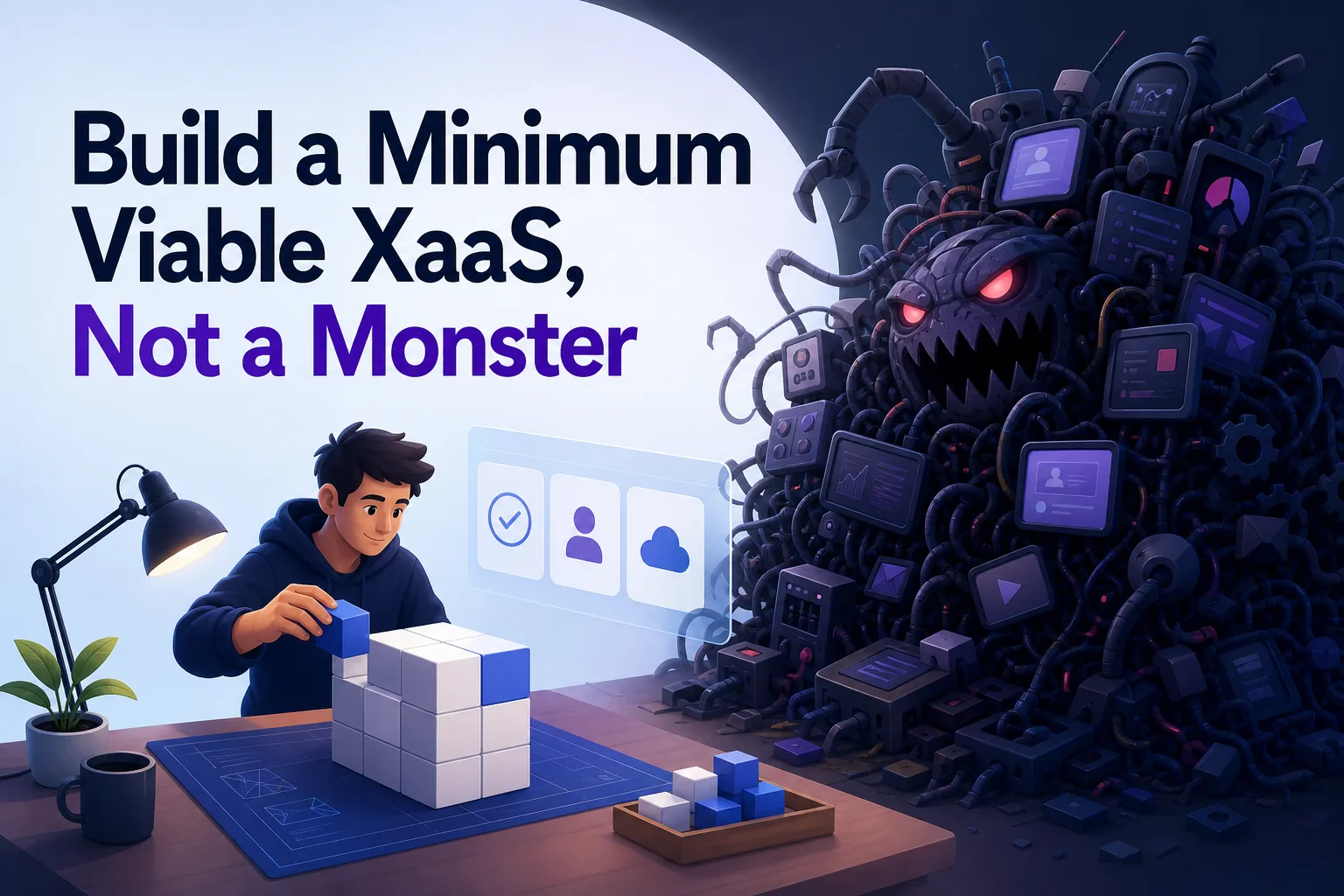
Once you know there’s real demand, keep your first build lean. Start with a minimum viable product (MVP)—the smallest thing that truly solves your user’s main problem. Teams like DevTeam.Space and Contus recommend sticking to three to five core features that provide real value right away.
Sketch out exactly what your offer will deliver on day one. Define your features and the boundaries of that first version. Don’t try to solve every problem at once; focus on doing one thing right.
Pick your tech stack—public, private, or hybrid cloud? Which frameworks fit your team and your users’ needs? Your UI/UX doesn’t have to be fancy at this stage, but it should be clear and easy to use.
Team size makes a difference. Put together a small group with the right mix of skills: product, tech, and user experience. Fast feedback and open communication help you move quickly and avoid getting bogged down in endless meetings or feature creep.
After building your MVP, thorough testing is crucial. You want to catch bugs and rough edges before scaling. Only once real users are interacting with your MVP should you start adding more features or polishing the design.
Selling on Marketplaces: What Really Matters
Getting your offer in front of paying customers often means listing it on a marketplace like Microsoft’s commercial platform. These platforms set strict rules—you need more than a working product.
You’ll have to define clear subscription tiers, meet technical criteria, and integrate APIs to handle signups and account changes. For Microsoft, you need a specific landing page where customers go after buying to manage their subscription. This isn’t just a checkbox—it’s where people activate, upgrade, or cancel, and where your support process starts.
Integration with the marketplace’s billing and subscription system isn’t optional. If you’re using Microsoft’s platform, the saas-accelerator on GitHub has sample code and architecture to help manage key events like purchases, activations, and cancellations. That said, these are just starting points—your version has to be solid and secure before you go live.
Carefully document your integration process and thoroughly test the subscription lifecycle—from purchase to activation and cancellation—so customers encounter a seamless experience. Any friction in payment, usage, or changes to a subscription can quickly lead to churn, making robust lifecycle management essential.
How to Keep Growing and Improving After Launch
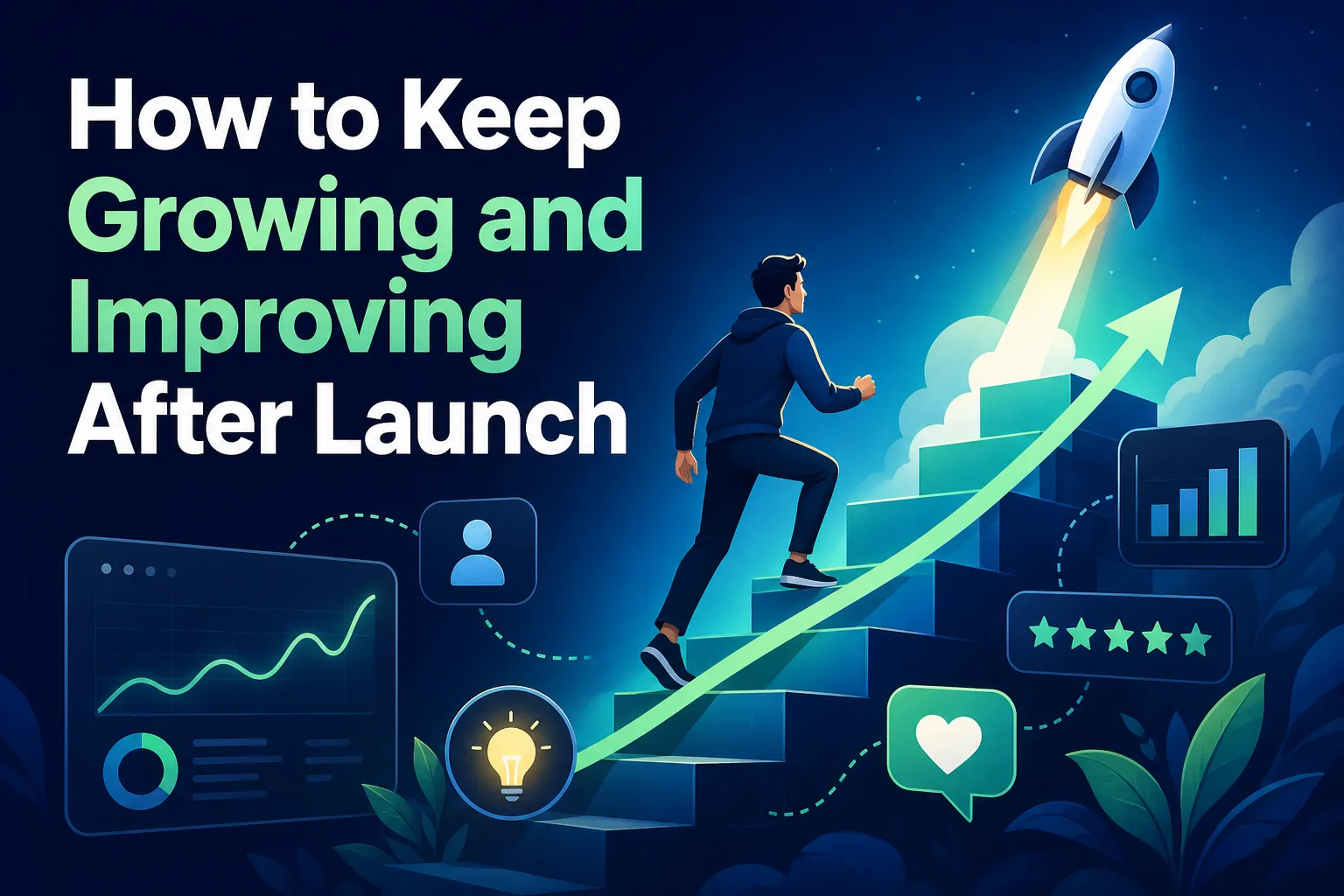
Launch day isn’t the finish line—it’s the starting block. The best XaaS businesses treat growth and improvement as ongoing habits, not one-time events.
Once your service is up, watch how people use it. Where do they get stuck? Which features do they ignore? Use analytics, error tracking, and direct feedback to create a real-time feedback loop. Let this data guide your roadmap—avoid adding features just because they seem cool. Add what users request or what your data shows is needed.
Reliability, security, and speed aren’t just nice-to-haves. They’re what set you apart. If your service goes down or has security gaps, you risk losing trust overnight. Trust is a critical factor to build and maintain carefully in subscription products.
Keep documentation up to date and stay responsive to support requests. Plan time for routine maintenance and improvements, not just new features. Small, regular updates based on user feedback help your service stay useful and competitive.
Real-World Steps for First-Time XaaS Founders
If you’re getting ready to go from idea to first users, a clear plan can save you from the usual missteps. Start by gathering a small team with the right mix of skills, and make sure everyone understands the customer problem you want to solve. Write a one-page summary of your business model, then dive into focused market research—landing pages, interviews, and competitor analysis all help.
When you see real interest, define your MVP: pick three to five features that directly address your users’ main pain point. Choose your tech stack and rough out simple UI/UX flows. Build quickly, then get honest feedback from your first users. Fix what’s broken and make small improvements before adding more features.
Once your MVP feels stable, get ready for marketplace distribution. Learn the technical requirements, set up your landing page, and use resources like the saas-accelerator to help with integrations and subscription management. Test every process, from sign-up to cancellation. Your reputation depends on users having a smooth experience.
Plan for growth from day one: set up tracking, keep documentation clear, and carve out time for regular updates. Launch isn’t the end—it’s the start of building a flexible, lasting XaaS business.